
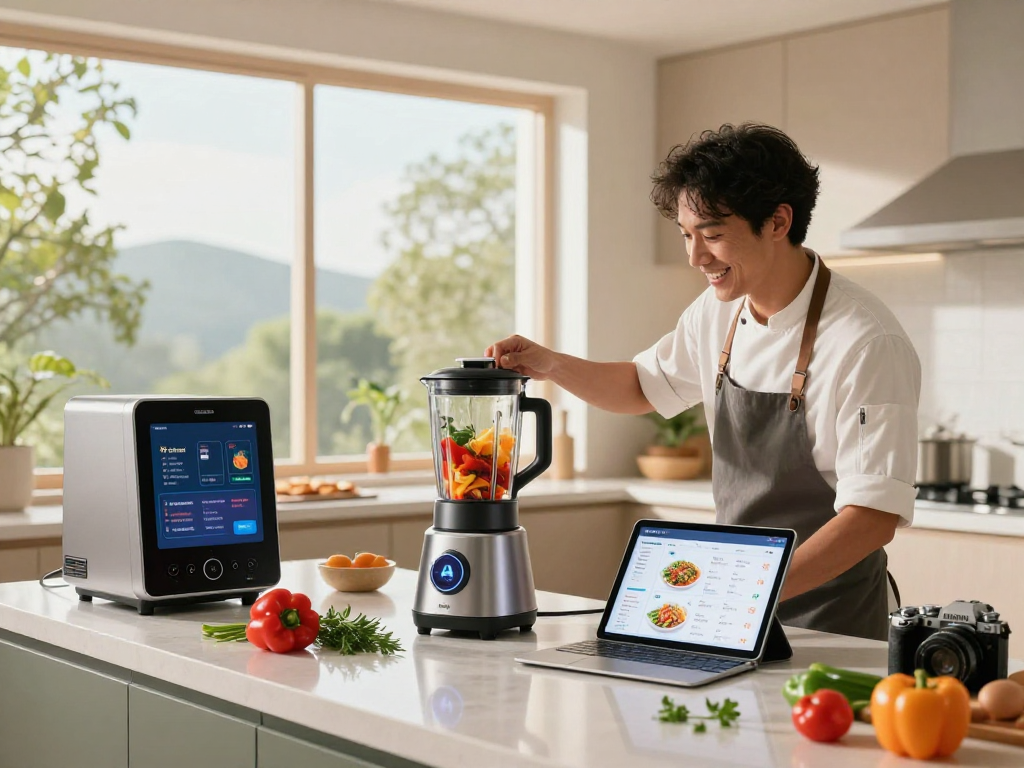
Understanding the Basics of Spicy AI in Cooking
In the rapidly evolving landscape of culinary technology, spicy ai has emerged as a revolutionary trend that merges flavor exploration with artificial intelligence. This innovative approach not only enhances the cooking experience but also allows cooks, from amateurs to professionals, to create dishes that tantalize the palate while simplifying the complex process of meal preparation. By leveraging data, analysis, and machine learning, spicy AI tools provide tailored cooking solutions that cater to a variety of tastes and dietary needs.
What is Spicy AI and How Does it Work?
Spicy AI refers to the integration of artificial intelligence technologies specifically designed to enhance cooking. It employs algorithms that analyze diverse factors such as ingredient combinations, cooking techniques, and user preferences to generate recipes and cooking tips. By utilizing vast databases of culinary knowledge and consumer insights, spicy AI tools can predict flavor affinities, making meal preparation not just easier, but also more enjoyable.
The Evolution of AI in Culinary Arts
The culinary sector has seen significant transformations over the last decade, with AI technologies becoming increasingly prevalent. Initially used primarily for data analysis and inventory management, AI is now a creative tool in the kitchen. From virtual cooking assistants that guide users through recipes step by step to apps that suggest meals based on available ingredients, the capabilities of AI in cooking continue to expand. This evolution is not just about automation; it’s about enhancing human creativity and refining culinary skills.
Exploring the Benefits of Using AI in Cooking
There are numerous benefits to incorporating spicy AI into home and professional kitchens:
- Customization: AI can tailor recipes based on dietary restrictions, ensuring users find meals that fit their needs.
- Efficiency: Spicy AI streamlines the cooking process by suggesting tool combinations and timing, allowing for quicker preparations.
- Flavor Optimization: By analyzing taste data, AI can recommend ingredient pairings that elevate the flavor profile of dishes.
- Learning Enhancement: AI cooking applications offer tutorials and feedback, helping users improve their cooking skills over time.
Choosing the Right AI Tools for Your Kitchen
With an array of AI tools available for home chefs, it is crucial to select the right ones that fit your cooking style and needs. Factors such as ease of use, functionality, and personal cooking goals should guide your decision-making process.
Top AI Devices for Home Chefs in 2026
As technology continues to advance, several AI devices are setting benchmarks for home cooking in 2026:
- Smart Ovens: With built-in AI, smart ovens can recommend cooking settings and times based on the dish being prepared.
- Smart Scales: These tools not only measure ingredients but also offer recipe suggestions based on weight inputs.
- AI Cooking Assistants: Devices like Google Nest and Amazon Echo enhance the cooking experience by answering culinary questions in real-time.
How to Integrate Smart Technology into Traditional Cooking
Integrating smart technology into traditional cooking requires a balanced approach. Start by familiarizing yourself with the devices and understanding their functionalities. Use AI tools to enhance, not replace, your culinary instincts. For instance, allow a cooking app to suggest variations on a traditional family recipe while you maintain the core elements that make it special.
Evaluating AI Cooking Apps and Platforms
When exploring AI cooking apps, consider the following features:
- User-Friendly Interface: An intuitive design ensures that you can navigate the app easily.
- Recipe Variety: Look for an app that offers a wide range of recipes to explore beyond your usual culinary horizons.
- Customizable Options: Options to input dietary preferences and restrictions are essential for personalized meal planning.
Creating Flavorful Dishes with AI Assistance
AI can be a remarkable partner in the kitchen, helping to develop flavorful dishes that impress and satisfy. It acts as both a guide and a supportive collaborator in the creative cooking process.
Using AI for Meal Planning and Recipe Suggestions
One of the most significant advantages of spicy AI is its ability to assist with meal planning. By analyzing your eating habits and preferences, AI-powered platforms can suggest weekly meal plans, helping you save time and minimize food waste. They can also generate shopping lists based on these meal plans, making grocery shopping more efficient.
Enhancing Taste Profiles with AI Data Analysis
AI does not just suggest recipes; it can analyze the components that create successful dishes. By studying consumer feedback and taste data, AI can help you understand which ingredients work harmoniously, guiding you towards creating your unique flavor combinations.
Combining Spices: AI-Driven Flavor Pairing Techniques
Spices are fundamental to elevating dishes, and AI can take your spice combinations to the next level. With the help of advanced algorithms, AI can suggest the most effective spice pairings, supported by scientific data on flavor interactions. This ensures you achieve well-balanced and intriguing flavors in your dishes, perfect for impressing guests or enjoying a personalized meal.
Overcoming Common Challenges with Spicy AI Cooking
Although the integration of spicy AI in cooking presents many advantages, it also comes with challenges that must be addressed for successful implementation.
Addressing Misconceptions About AI in the Kitchen
Many people harbor misconceptions about AI in cooking, believing it will take over the art of cooking or make it impersonal. In reality, AI is designed to complement and enhance human creativity, providing assistance rather than replacing the chef. Understanding the role of AI as a supportive tool can help alleviate these concerns.
Simplifying the Cooking Process with AI
For those intimidated by complex recipes, spicy AI can simplify the cooking process. With step-by-step guides, video tutorials, and interactive elements, AI can make cooking more accessible to beginners and less stressful for seasoned chefs.
Dealing with Ingredient Limitations and AI Solutions
Ingredient availability can be a major obstacle, but AI can help you overcome this challenge. By suggesting alternative ingredients or recipes based on what you have on hand, AI reduces food waste and allows for creativity in the kitchen.
The Future of Spicy AI in Culinary Arts
As we look towards 2026, the role of spicy AI in culinary arts is only set to expand further, creating exciting opportunities for both chefs and home cooks alike.
Emerging Trends in AI Cooking Technology for 2026
Future trends will likely include increased personalization, where AI learns not just from broad data but also from individual cooking styles and preferences. Expect more integration of virtual reality and augmented reality into cooking experiences, providing immersive environments for learning and experimentation.
Predictions for AI's Role in Home Cooking
As AI capabilities evolve, we can predict a stronger partnership between humans and machines in the kitchen. Home cooks will increasingly rely on AI for not just guidance, but also for real-time cooking adjustments and suggestions, improving both the outcome and experience of cooking.
How to Stay Ahead in the Spicy AI Cooking Revolution
To thrive in the evolving AI culinary landscape, keep abreast of technological advancements and continue to experiment with new tools. Engage with culinary communities to share insights and learn from others’ experiences, ensuring that you remain at the forefront of this exciting revolution. The key is to embrace the technology while nurturing your passion for cooking.